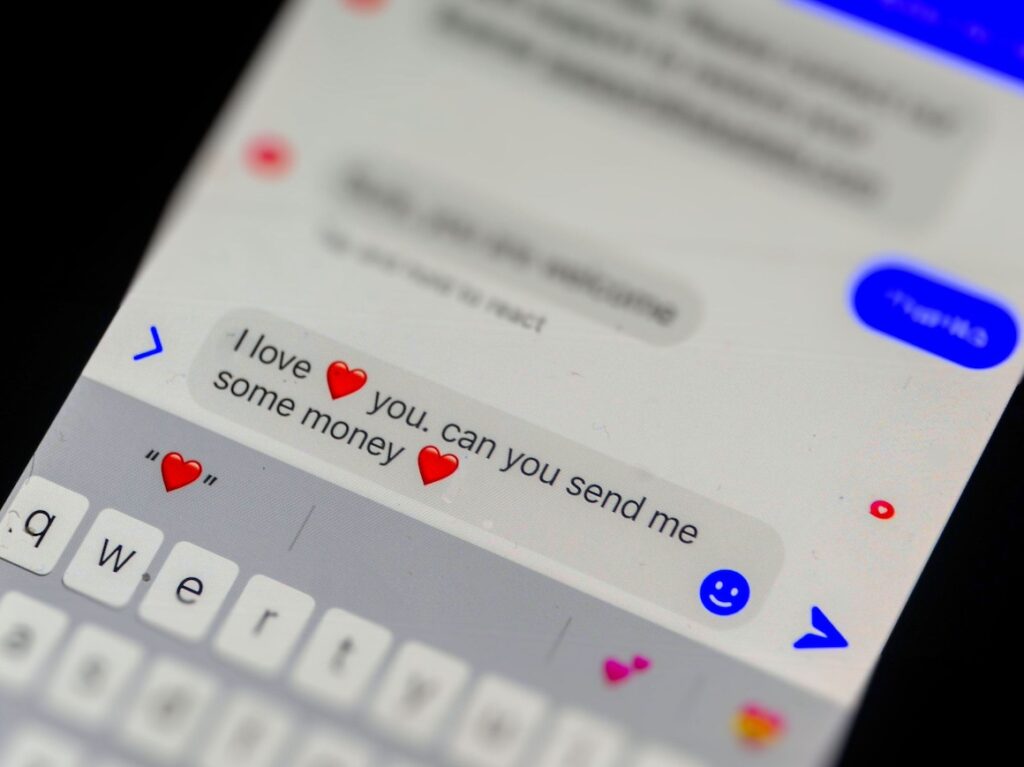
It often starts with something simple and kind: a message that says, “Hi, I think you’re really special.” A little attention. Someone who seems genuinely interested in your day. For most of us, that’s just a nice moment. But for a growing number of older adults across the Bay Area, that first friendly note is the opening line of a scam that can quietly drain a lifetime of savings.
If you’ve ever worried about this happening to you or to someone you love — a parent, a neighbor, a friend who lives alone — you’re not being paranoid. You’re being wise. And knowing what to look for is one of the kindest things you can do for the people around you.
The Facts
What’s Really Going On
Romance scams — sometimes called “confidence fraud” — have become one of the costliest crimes aimed at older Americans. In 2024, the FBI’s Internet Crime Complaint Center reported that adults age 60 and older lost nearly $400 million (about $389 million) to these schemes. Across all ages, Americans reported more than $672 million in romance-scam losses that year.
The way these scams unfold is what makes them so hard to catch. They usually begin on dating apps, social media, online games, or support forums and chatrooms. The scammer builds trust patiently — often over weeks or months — before there’s ever a mention of money. By the time a request comes, it doesn’t feel like a red flag. It feels like helping someone you care about.
When money does enter the picture, it’s often framed as an emergency: a medical bill, travel costs to finally “come visit,” or a can’t-miss investment opportunity. The FBI’s own guidance is blunt about it — go slow, ask questions, and be very cautious about sending money to anyone you’ve met online but never in person.
These schemes are also getting harder to spot. With AI-generated photos, cloned voices, and scripted conversations, a scammer today can seem remarkably real. That’s not a reason to fear technology — it’s a reason to slow down and verify before your heart, or your wallet, gets ahead of you.
Why It Matters
Who’s Targeted — and Why It’s So Hard to Talk About
Scammers don’t choose their targets at random. They tend to look for people who are widowed, recently divorced, or grieving; who feel isolated from friends and family; who are simply looking for companionship; or who may be experiencing memory or cognitive changes. In some cases, they even comb through online obituaries to find people they believe are vulnerable.
Here’s the part that’s easy to miss from the outside: for someone who is lonely, a scammer’s daily attention can feel like the realest thing in their life — even when part of them suspects it isn’t.
“For people that are isolated, sometimes this is their only form of communication with someone and their only social outlet. So they rely on these scammers, even though it might be fake.”
— Glen Fishman, Elder & Dependent Adult Abuse Prevention Program
That’s also why so many people stay silent. Victims often carry deep shame or fear of being judged for “falling for it.” Others worry that admitting they were scammed could cost them their independence — that a well-meaning family member might start managing their money or their choices. The silence isn’t foolishness. It’s very human.
“Just imagine that you thought you found love only to lose all your life-savings. People don’t want to say anything because they don’t want to be judged and they don’t want to lose independence.”
— Ali Chiu, Institute on Aging Elder and Dependent Adult Abuse Prevention Program
Red flags worth knowing
Protecting yourself isn’t about closing yourself off to new people. It’s about noticing when something quietly doesn’t add up. Keep an eye out for:
- Rushed intimacy: declarations of love or deep connection surprisingly early.
- Moving “off-platform”: a push to switch to text or email, away from apps that keep a record.
- Money requests: any ask for funds, especially ones that repeat or grow over time.
- Financial entanglement: pressure to share accounts, wire money, or send gift cards.
- Isolation: subtle discouragement from talking to friends or family about the relationship.
- Secrecy: being asked to keep the whole thing private.
If something feels off, that instinct is worth trusting. You don’t need proof to pause. You just need permission — and you have it.
Your Next Steps
What You Can Do
If you suspect a romance scam — for yourself or someone you love — here are calm, concrete steps to take:
- 1. Stop sending money or gifts. No matter the story or the urgency, don’t send another dollar, gift card, or wire transfer while things feel uncertain.
- 2. Talk to someone you trust. A family member, a close friend, your bank, or a professional. Saying it out loud often makes the picture clearer — and you deserve support, not judgment.
- 3. Keep the evidence. Save chats, emails, usernames, phone numbers, and any payment records. These help investigators and can sometimes help recover funds.
- 4. Report it locally. In the Bay Area, call California Adult Protective Services at 1-833-401-0832 (24/7 — enter your ZIP code to reach your county’s office). In San Francisco, you can also reach Adult Protective Services directly at 415-355-6700.
- 5. Report it to federal watchdogs. File with the FTC at reportfraud.ftc.gov and the FBI at ic3.gov. Even if you’re unsure, reporting helps stop the next scam.
- 6. Lean on trusted, free help. The AARP Fraud Watch Network offers a free helpline and up-to-date scam alerts. San Francisco’s Institute on Aging runs an Elder and Dependent Adult Abuse Prevention Program you can email at eap@ioaging.org.
Scammers count on one thing above all: silence. Every conversation we have about these schemes — openly, and without a hint of shame — chips away at the thing that makes them work. If you learn the warning signs and share them with the people in your life, you’ve already made your community a little safer.
You don’t have to become suspicious of everyone to stay protected. You just have to stay connected — to your instincts, and to the people who have your back.
Report a Scam or Get Help (Bay Area)
If you or someone you know may be caught in a romance scam, these resources can help. All calls are confidential.
- California Adult Protective Services: 1-833-401-0832 (24/7; enter your ZIP to reach your county)
- San Francisco Adult Protective Services: 415-355-6700
- Institute on Aging — Elder & Dependent Adult Abuse Prevention Program: eap@ioaging.org
- AARP Fraud Watch Network: aarp.org/fraudwatchnetwork
- Federal Trade Commission: reportfraud.ftc.gov
- FBI Internet Crime Complaint Center: ic3.gov
Sources
- FBI Internet Crime Complaint Center (IC3) — 2024 Internet Crime Report (romance/confidence-fraud losses for adults 60+), 2025
- FBI — Romance Scams: how they work and red flags to watch for
- FBI — Public Service Announcement on Romance Scams and Confidence Fraud (2024 national totals), February 2026
- California Department of Social Services — Adult Protective Services (statewide hotline 1-833-401-0832)
- AARP — Fraud Watch Network
- Federal Trade Commission — Report Fraud
- Institute on Aging — Elder Abuse Prevention Program (quotes: Glen Fishman; Ali Chiu)