In my regular Techspert column, I usually answer questions on a single tech topic, but in my TechBytes episodes, I answer multiple questions from my readers on different topics. From smartphones to smart TVs and computers, this column has it all. If you’d like your question answered in the next TechBytes column, submit it on this form. Now, let’s get started, shall we?
Question #1: Is Google Reading My Emails?
I keep hearing that companies are using artificial intelligence to learn from people’s information. I use Gmail every day for personal messages, bills, and important emails. Is Google reading my emails and using them to train its AI? Should I be worried about my privacy?
Techspert’s Answer:
What a great question, and a topic that’s been causing a lot of confusion lately. Let’s break it down:
- Does Google “read” your emails? Yes, but not in the way most people imagine. Gmail does scan the contents of your messages, but computers, not people, do this, and for very practical purposes, like detecting spam and malware, organizing your inbox, suggesting quick replies, and facilitating features like tracking packages or adding events to your calendar. These conveniences are part of Gmail’s “smart features,“ which analyze email content to make the service easier and safer to use.
- Are your emails being used to train Google’s general AI models, such as Gemini? According to Google, no, your personal emails and attachments are not used to train its public AI systems. The company has denied recent claims, explaining that Gmail’s smart features have existed for years and operate to personalize your experience, such as spam detection and quick replies, and do not feed data into broader AI training.
💡 Pro tip:
You can disable smart features if you want Gmail to stop analyzing your messages beyond basic spam and security protections. To do this, open Gmail > Settings > See all settings > General, then turn off options like Smart features, Smart Compose, Smart Reply, Nudges, and Package tracking. Be sure to click Save Changes at the bottom of the page and reload Gmail for the updates to take effect.
Question #2: Guest Checkout vs. Account Login
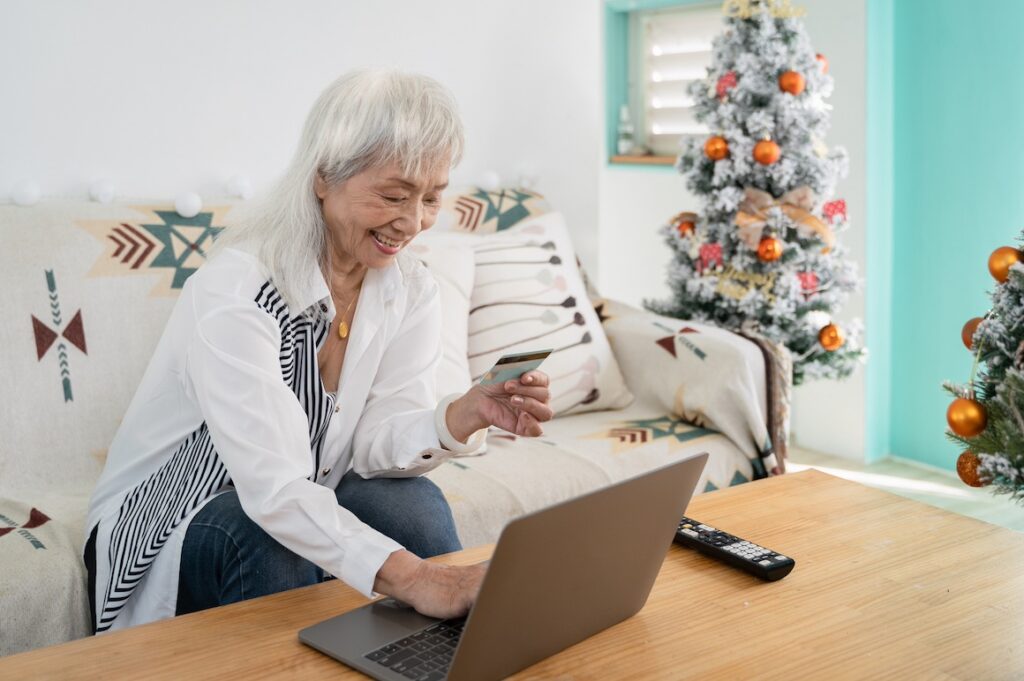
I do a lot of shopping online. Does signing in as a guest provide any more security than as a returning member?
Techspert’s Answer:
Shopping as a guest can sometimes feel safer, but it isn’t always more secure. Guest checkout means the store doesn’t save your information for future visits, which can reduce the risk if that store ever has a data breach. On the other hand, having an account often gives you added protections, like order history, easier refunds, and fraud alerts.
The most important safety step isn’t guest versus account checkout, it’s shopping only on trusted websites, and if you do create accounts, consider using a password manager so you don’t reuse the same password everywhere.
Question #3: Using Your Phone as a Remote
How do I turn my phone into a remote?
Techspert’s Answer:
Easier than you might think. Most smart TVs and streaming devices offer full remote control through their official apps. If you have a Roku, Apple TV, Fire TV, or a smart TV from brands like LG or Samsung, download the matching app from the App Store or Google Play. As long as your phone and TV are on the same home Wi-Fi network, you can change channels, adjust volume, navigate menus, and even type using your phone’s keyboard (which is easier than typing with a regular remote).
💡 Pro Tip:
Many streaming apps also work as mini remotes. Apps like YouTube, Netflix, Hulu, and Spotify let you pause, play, and control what’s on your TV directly from your phone once you’re signed in.
Question #4: Decluttering Files Across Devices
I’m trying to clean things up, but I’m confused about where to start. I have files in OneDrive, on my current PC, and on an old computer. Which one should I clean up first?
Techspert’s Answer:
Start with your current PC because that’s the device you use most and the one causing the most day-to-day frustration. Then, move on to OneDrive. Since OneDrive often copies or backs up files from your PC, cleaning your computer first can make the cloud cleanup much easier.
Save the old computer for last. Think of it like an attic: you don’t want to sort it until your main living space is in order. Before deleting anything on the old PC, make sure there’s nothing important you still need, and consider copying key files to an external drive or OneDrive for safekeeping. And while you’re in the decluttering mindset, you can take it a step further with my Techspert’s Guide to digital decluttering.
If you’d like your question answered in the next TechBytes episode, submit it on this form.
Got a tech question that just cannot wait? Join the Everything Tech and Ask a Tech Expert groups on the Senior Planet Community platform to ask any tech questions you might have and discuss technology trends with other like-minded individuals. You can also call our free Senior Planet Tech Hotline at 888-713-3495.
Your Turn
Leave a comment below with any questions or input that you might have!
 Techspert Jonathan is Senior Planet’s Sr. Digital Community Relations and Product Specialist and a former Senior Planet San Antonio technology trainer. He is also an iOS developer with a background in Information Systems and Cyber Security.
Have a tech question that’s got you stumped? Send your tech questions to Techspert Jonathan using THIS FORM. He’ll be tackling one question a month from readers.
The content on the Senior Planet website is intended strictly for general informational purposes and does not constitute an endorsement or warranty regarding privacy, security, app permissions, or changes in the app’s terms of service. Please scrutinize each app’s privacy policy, terms of use, data collection or other permissions before downloading or using the app.