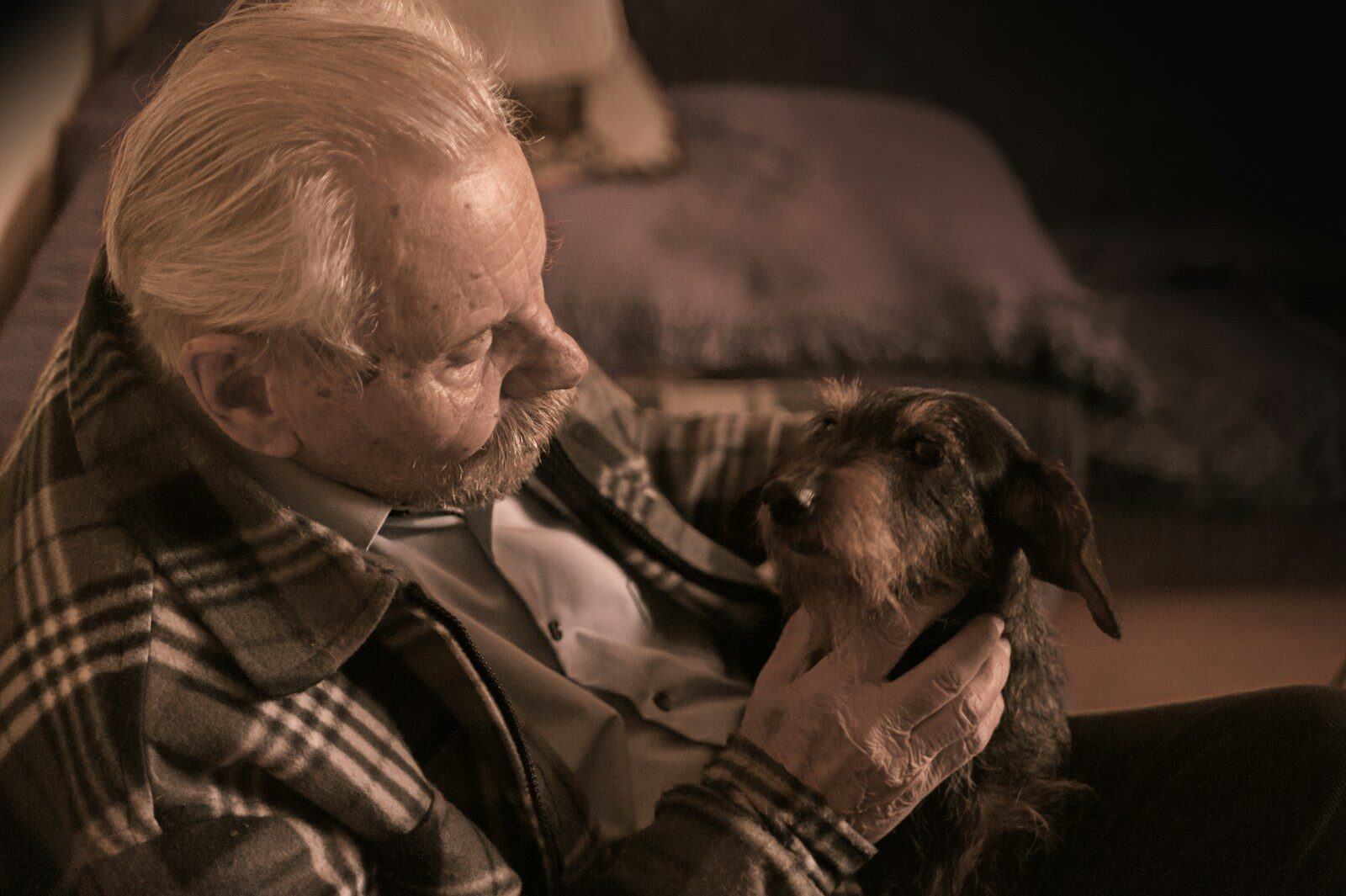
You’ve thought about your will. Maybe you’ve set up a trust. You’ve made decisions about your house, your accounts, your belongings. But there’s one family member your estate plan may have left out — the one currently napping on the couch or waiting by the front door for your next walk together.
For many of us, pets are more than animals. They are daily companions, sources of comfort, and anchors of routine. Yet most pet owners never make a formal plan for what happens to their dog, cat, bird, or horse if they die first. Without a plan, California law has a way of handling it — and it may not be the way you’d want.
The good news: planning for your pet is simpler than you might think, and California law actually gives you some powerful tools to do it right.
What the Law Says — and What Happens Without a Plan
Here’s something many pet owners don’t realize: under California law, pets are considered personal property — legally in the same category as your furniture or car. They cannot inherit from your estate. They cannot be named as a beneficiary. And if you die without any instructions about your pet’s care, their future is genuinely uncertain.
If you have no will or estate plan at all, California’s intestacy laws determine who inherits your assets — including your pet. That person may not be who you’d choose, and there is no legal requirement that they actually care for the animal. If no one steps forward, a pet can end up in a shelter.
Even with a will, the picture is complicated. A will must go through probate — a court process that can take months or longer in California. During that entire window, someone needs to be feeding your pet and covering their vet bills. Probate does not move quickly enough for a dog or cat who needs daily care.
The most reliable legal tool available to California pet owners is the pet trust, authorized under California Probate Code Section 15212. A pet trust becomes effective immediately upon your death — no waiting for probate. It allows you to set aside funds, name a caregiver, and spell out exactly how your pet should be cared for. It lasts for the lifetime of your animal.
What This Means for Bay Area Pet Owners
If you live alone with a pet — or if your spouse or partner may not be able to care for the animal alone — this matters especially to you. Think through these situations honestly:
The immediate gap nobody talks about
When a person dies, it can take days before family or friends realize there’s a pet at home that hasn’t been fed or let out. If you live alone, this is a real risk. Planning ahead — even something as simple as carrying a pet alert card in your wallet — can make the difference in those first critical hours.
If you name someone in your will — but nothing more
Leaving your pet “to” someone in your will is better than nothing, but it has limits. There is no legal obligation for that person to follow through, no funding for the animal’s care, and no backup if they change their mind or cannot take the pet. A will also doesn’t take effect for weeks or months.
The pet trust difference
A pet trust kicks in immediately, names both a trustee (who manages money) and a caregiver (who looks after the animal daily), and allows you to leave specific instructions — down to what brand of food your dog prefers or which veterinarian to use. It is legally enforceable. If the caregiver doesn’t follow through, the trustee can step in.

What about long-lived animals?
If you have a parrot, a horse, or another animal with a lifespan that may exceed your own, planning becomes even more important. A California pet trust has no maximum time limit — it continues for the natural life of your animal. You can also designate what happens to leftover trust funds after your pet passes, directing them to family members or an animal charity of your choice.
One caution worth knowing
Do not name your pet’s caregiver as the person who receives leftover trust funds when the pet dies. That creates a conflict of interest — someone financially benefiting from the animal’s death is not the best person to make difficult veterinary decisions on the animal’s behalf.
What You Can Do Starting This Week
You don’t have to do everything at once. Here are practical steps, starting with what you can do today — no attorney required — and moving toward the most thorough long-term protections.
Your Pet Planning Action List
-
Carry a Pet Alert Card in Your Wallet
Write a simple card listing: how many pets you have, what type, their names, and the phone number of at least two people who can care for them in an emergency. If you are ever hospitalized or in an accident and cannot speak, first responders will know your pet is home and who to call. The ASPCA recommends this as a first step for every pet owner who lives alone. -
Post an Emergency Notice at Home
Place a removable notice (not a sticker — stickers can be mistaken for outdated information) on the inside of your front door listing your pets, their basic needs, and emergency contact names and numbers. Include the location of pet food, medications, and leashes. Keep a pet information sheet on the refrigerator. -
Talk to Two People Now — Not Just One
Choose at least two people who agree, in advance, to step in for your pet in an emergency. They do not have to be the same person who would take permanent custody. A neighbor might handle the immediate days; a family member might take permanent care. Have the conversation explicitly — don’t assume. -
Give Your Vet a Written Release
Let your veterinarian know in writing who is authorized to seek treatment and make decisions for your pet if you are unable to do so. This simple step can prevent confusion when time matters most. -
Look Into the SF SPCA’s Sido Pet Protection Program
This is one of the most remarkable local resources available to Bay Area pet owners. For cats and dogs (up to six pets), the San Francisco SPCA will take in your animal upon your death, provide medical and behavioral care, find them a loving new home, and even provide that new family with lifetime free veterinary care at the SF SPCA hospital. Enrollment requires a modest annual donation and naming the SF SPCA in your estate plan. Contact them at [email protected] or call (415) 522-3510. -
Talk to an Estate Planning Attorney About a Pet Trust
A California pet trust under Probate Code Section 15212 is the most legally sound protection you can give your pet. It takes effect immediately, bypasses probate, and is enforceable. A good estate planning attorney can often fold this into your existing trust at minimal additional cost. If cost is a concern, Legal Aid organizations in the Bay Area may be able to help or refer you to low-cost legal clinics. -
Write a Pet Care Information Document
Even if you set up a trust, document your pet’s daily world in plain language. A future caregiver will benefit enormously from knowing the details only you know.
What to Include in Your Pet’s Care Document
- Full name, breed, age, and description
- Microchip number and registration
- Preferred food brand and feeding schedule
- Medications, dosages, and pharmacy
- Veterinarian name, address, and phone
- Any allergies or health conditions
- Daily routine and exercise needs
- Behavioral notes (fears, triggers, quirks)
- Favorite toys, treats, and sleeping spots
- Location of supplies, food, leash, crate
- Burial or cremation wishes for the pet
- Pet insurance policy number (if applicable)
Bay Area Local Resources
Enrolls cats and dogs (up to 6) for lifetime care placement after your death. Requires a modest annual donation and a bequest in your estate plan.
sfspca.org · [email protected] · (415) 522-3510Open-door shelter serving San Mateo County. Accepts all animals and can help connect families of deceased owners with care resources. 12 Airport Blvd, San Mateo.
phs-spca.org · (650) 340-7022Serving Alameda and Contra Costa counties. Their Seniors 4 Seniors program waives adoption fees for adults 62+ who adopt older pets.
eastbayspca.org · Oakland: (510) 569-0702 · Dublin: (925) 479-9670Serving Santa Clara County. Offers foster programs and community services for pet owners facing life changes.
hssv.orgFree guides on creating a pet portfolio, emergency alert cards, and estate planning for animals.
aspca.org/pet-care/pet-planning