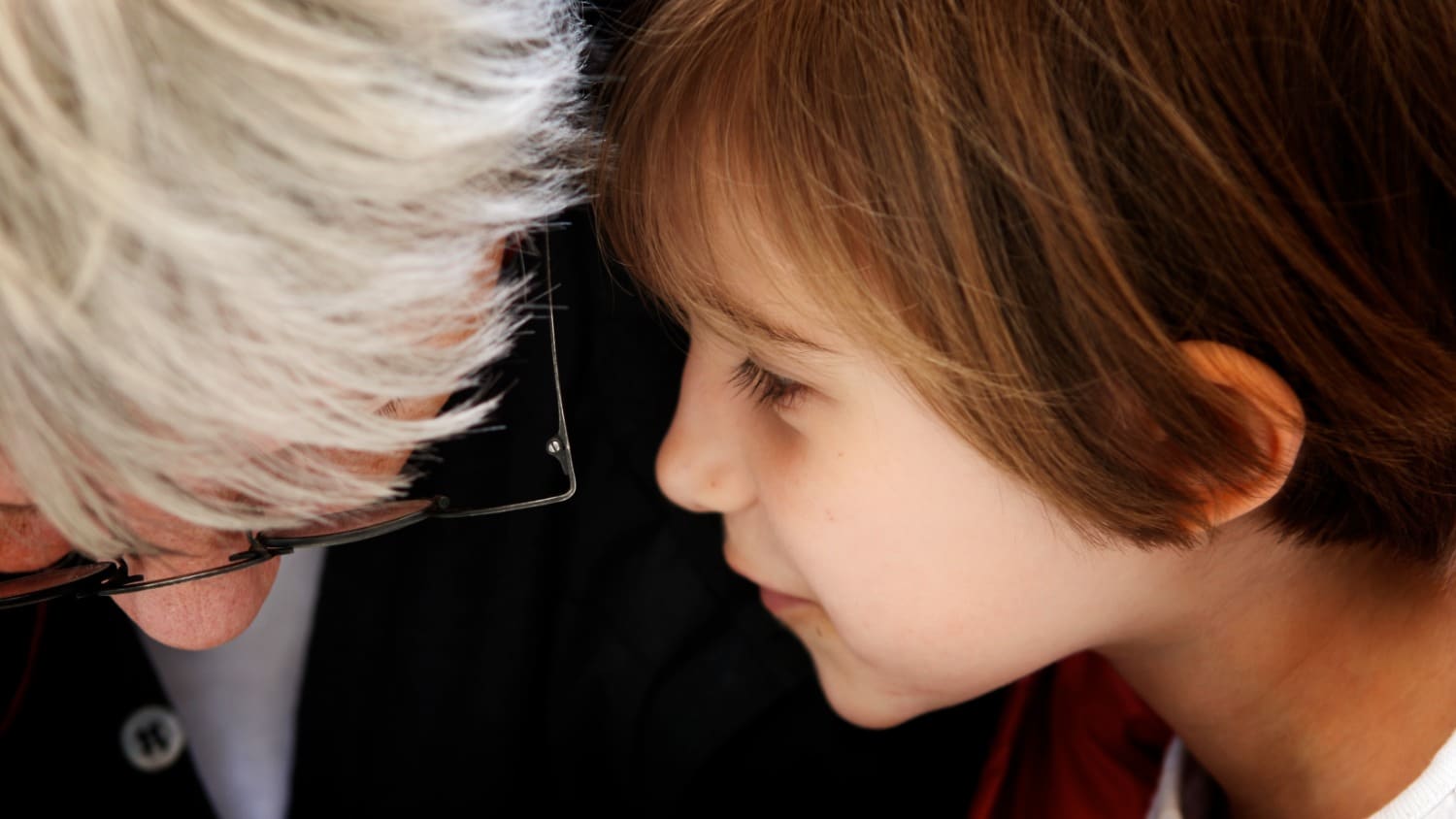
If you’ve ever wondered, “We’re close… so why doesn’t my grandchild tell me what’s really going on?” you’re not alone. Many grandparents feel quietly hurt when they learn something important later – through parents, siblings, or after the problem has already grown.
Often, it isn’t about love. It’s about what children have learned will happen if they speak up.
Most of us were raised to respect adults: be polite, don’t interrupt, don’t argue, don’t make a fuss. Those values matter. But when “respect” becomes obedience without questions, children can absorb a second message:
“Adults are in charge. My feelings might be wrong. And if something feels uncomfortable, I should keep it to myself.”
That’s where silence grows – not because children don’t trust you, but because they don’t trust what will happen when they tell the truth.
Why Kids Keep Things from Grandparents (Even Loving Ones)
Children often stay quiet because:
- They want to avoid big reactions. They fear panic, anger, lectures, or disappointment.
- They don’t want to cause trouble. They worry that telling Grandma will start conflict between adults.
- They’ve learned that honesty has a price. If telling the truth led to punishment or shame before, they’ll protect themselves.
- They confuse privacy with secrecy. As kids grow, they naturally want more independence, and not sharing everything can be a healthy part of development.
Respect Without Self-Trust Creates Secrecy
We teach kids to respect adults, but we don’t always teach them to trust themselves. Self-trust sounds like:
- “My feelings matter.”
- “My instincts count.”
- “I can ask for help.”
- “I can speak up even when I’m scared.”
When kids trust themselves, they’re more likely to share early – before something becomes a weight they carry alone. When they don’t, they may stay silent even when they desperately need support.
A Simple Tool Kids Understand: Secrets That Sparkle and Secrets That Sting
One of the most helpful things we can do as grandparents is give children clear language for the difference between fun secrets and harmful ones. In my children’s book Secrets That Sparkle (and Secrets That Sting), I teach two kinds of secrets children can remember easily:
Secrets That Sparkle are safe, happy secrets. They feel exciting, not scary. They don’t involve anyone getting hurt. They’re usually short-term and lead to something good – like a surprise party, a gift, or planning something kind.
Secrets That Sting don’t feel good inside. They can feel heavy, scary, confusing, or “yucky.” They often include pressure: “Don’t tell,” “You’ll be in trouble,” or “This is our secret.” They can involve someone being hurt, bullied, touched in a way that feels wrong, or asked to hide something unsafe.
Here’s the key line children need to hear again and again:
“If a secret stings, it’s not your job to carry it alone.”
And this is where grandparents can become a powerful safe place.
What We Can Do as Grandparents
Be a Safe Landing, Not an Interrogation
Instead of “Tell me everything,” try:
- “Thank you for telling me.”
- “I’m really glad you came to me.”
- “Do you want comfort, advice, or help?”
Practice Calm with the Small Stuff
Kids test safety with small truths first. If a child admits a mistake and gets a lecture, they learn: truth is expensive. Try: “What do you think happened?” or “What should we do next?”
Teach Respectful Voice, Not Silent Obedience
We can say:
- “You can be respectful and still say no.”
- “You can be polite and still speak up.”
- “Grown-ups should listen when children say something feels wrong.”
Make Confidentiality Clear – with Safety Limits
Children often fear grandparents will “report everything.” You can reassure them:
- “I won’t automatically repeat what you tell me.”
- “If it’s about safety, I may need help from another trusted adult – but I’ll tell you what I’m doing, and we’ll do it together.”
Use the Book as a Bridge to Conversation
Books help children talk without feeling put on the spot. After reading Secrets That Sparkle (and Secrets That Sting) together, you can ask gently:
- “What do you think a Sparkle Secret is?”
- “What might a Sting Secret feel like in your body?”
- “Who are your grown-ups you can tell if a secret stings?”
- “If you were nervous, how could you start the conversation?”
A Read-Aloud Script You Can Use After the Story
Here’s a simple script grandparents can read aloud after sharing the book:
“Sometimes we keep Secrets That Sparkle – like a surprise for someone we love. Those secrets feel happy and light. But if a secret feels heavy or scary, that’s a Secret That Stings. If a secret stings, you can always tell a safe grown-up. You won’t be in trouble for telling the truth. You can tell me, and I will listen calmly. We’ll figure it out together.”
The Relationship We’re Building Is Bigger Than Any One Secret
Our job isn’t to know everything. Our job is to be a safe option.
When we teach children to trust themselves – and we respond with steadiness instead of shock – they learn something powerful:
“My voice matters. I can speak up. And the adults who love me can handle the truth.”
Let’s Have a Conversation:
Have you ever had a moment when your grandchild finally opened up about something that had been weighing on them? What made them feel safe enough to tell you? Share your experience in the comments below – your story might be exactly what another grandmother needs to hear.